The Rise of Indian Chai on the Global Stage
Indian chai goes from railways and home kitchens to global café star—here’s how to enjoy it with more depth, not just more sugar.
Why this matters
If you’ve ever ordered a “chai latte” and thought, “This is nice, but…is this it?”—you’re not alone. Indian chai has gone from Indian railways to a global habit, and knowing that journey changes how we drink it.
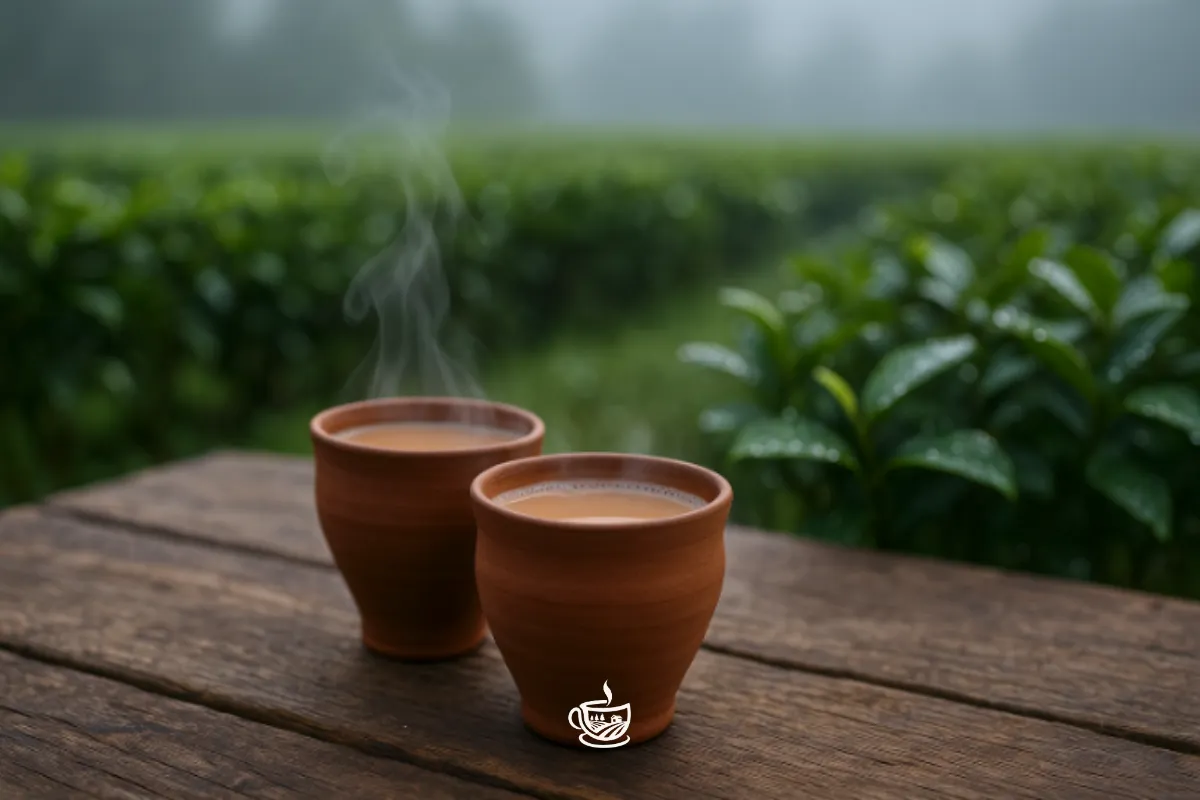
A foggy Clemson Tea Farm morning is the perfect time for chai—cardamom cracked, ginger smashed, hands wrapped around mugs and then wait for the sun to find the tea beds.
What to know first
Chai is more than a drink. In India, it’s how neighbours check in, colleagues debrief, and families de‑stress—a built‑in pause button.
It started as wellness, not “latte season.” Early masala‑chai‑like brews were tea‑leaf‑free Ayurvedic potions (kadha) for focus and health, long before tea breaks became workplace routine.
Today’s chai is a 20th‑century remix. Strong Assam tea + existing spice decoctions + milk + sugar = the masala chai that spread across India from the 1960s—and is now showing up in cafés worldwide.
Nerdy tangent: who took chai global?
Not a corporation at first—suitcases did. South Asian migrants carried their chai habits to East Africa, the Gulf, and the Caribbean long before Western chains discovered it. Only in the 1990s did “chai tea lattes” hit big coffee menus, turning a sweet, milky, spice‑softened version into the default for millions of new chai drinkers.
Pro tip for your own cupboard: whatever spice blend you use, let the tea be strong enough to hold its ground.
How to do it
Think of this as “chai, reclaimed”—a way to honour the roots while enjoying your own house style.
Start with real tea. Use a sturdy black tea (Assam‑style) rather than a syrup or mystery concentrate. At the farm, we like a Cut/Tear/Curl (CTC) or broken leaf that can stand up to milk and long simmering.
Bloom your spices. Lightly crush cardamom, pepper, and other whole spices and simmer them in water first. This nods back to those old spice decoctions and gives depth you’ll never get from a flavoured syrup.
Add tea, then milk. Once the spices are fragrant, in goes the tea; then add milk and simmer until the colour turns that familiar rich chai brown. Sweeten to taste at the very end.
Serve it socially. Chai was never meant to be a lonely, on‑the‑go situation. Pour it into real cups, add a biscuit or snack, ask one good question, and let the kettle do its work.
Let your “place” shape your cup. In India, every region, vendor, and family has a signature style. On a Zone 7b/8a “place”, that might mean fresh ginger from your own beds or a sprinkle of something fragrant from your herb patch.
Pro tip: If you’re serving a crowd, make chai in a wide, heavy pot and keep it just below a simmer—your spices will keep opening up while everyone wanders back for “just one more” ladle.
Chai is at its best when it tastes like your place, tells a story, and makes you linger.
Wanna brew a simple chai at home→ [Download here]
Want to bring more farm‑to‑cup wellness into your life?
Wanna Read More?
Wanna Geek Out?
For us tea nerds (no judgment, you’re in good company):
Masala Chai’s Journey: From Ancient Blend to Modern Trend – Stir Tea & Coffee
The Scale and Scope of India’s Vital Chai Industry – A. Shaji George (PUII Journal)
