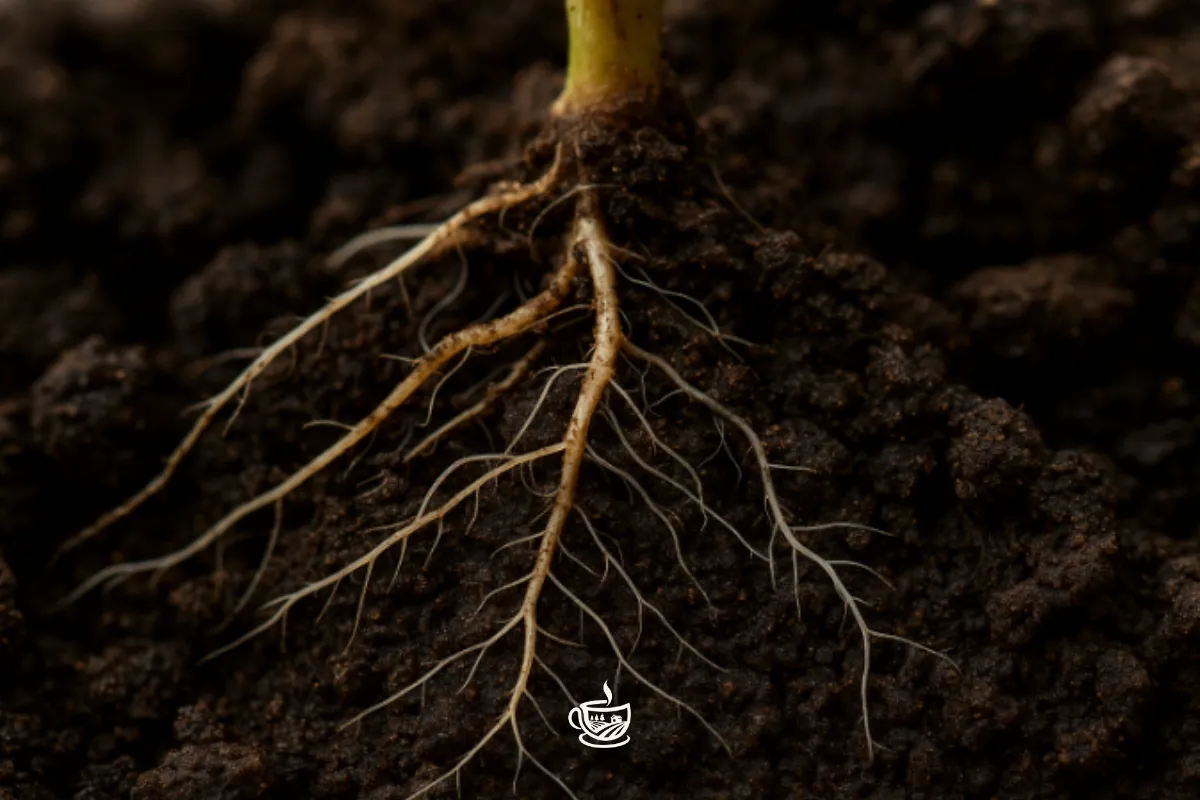
The Role of Mycorrhizae in Regenerative Farming
Want healthier plants and richer soil? Meet mycorrhizae—the underground allies transforming regenerative farming from the roots up.
Meet the Underground Network
While we’re busy growing crops above ground, a hidden system of microscopic fungi is hustling below—linking roots, feeding plants, and rebuilding soil from the inside out. These fungi are called mycorrhizae, and they’re headliners in any truly regenerative farm system.
At Clemson Tea Farm, I think of them as my invisible interns—quietly clocking in, working overtime, and never complaining about the weather. They’re the below-ground all-stars of our orchard guilds and vegetable beds, and once you see what they do, you’ll wonder how you ever farmed without them.
What Are Mycorrhizae?
Mycorrhizae (my-kor-RYE-zay) are beneficial fungi that form symbiotic relationships with plant roots.
They connect to or fuse with root systems
They extend far beyond root hairs into surrounding soil
In return for plant sugars, they deliver nutrients, water, and protection
Think of them as the internet of the soil—a Wi-Fi-free network trading resources, boosting communication, and strengthening the whole system.
At Clemson Tea Farm, we watch this kick in every time our no-till rows pop after a simple compost top-up. It’s not just the compost—it’s the fungal threads weaving resilience underground.
Why They Matter in Regenerative Farming
1) Improve Nutrient Uptake
Unlock hard-to-reach minerals like phosphorus and zinc
More availability = less dependence on synthetic fertilizers
2) Boost Drought Resilience
Fine fungal networks help plants sip water from deeper soil
Better hydration = fewer irrigation runs—even in dry spells
3) Strengthen Soil Structure
Hyphae (fungal filaments) bind particles into stable aggregates
More structure = less erosion, better aeration, healthier topsoil
4) Enhance Plant Immunity
Prime natural defenses, lowering disease and stress pressure
Crowd out troublemakers at the root zone
5) Increase Biodiversity & Store Carbon
Feed the broader soil food web—microbes, insects, the whole party
More fungal biomass = more carbon held safely in the soil
Our pecans and tea bushes in the South Pasture love this fungal scaffolding. We see sturdier growth, fewer pests, and far less watering—even through those stubborn Carolina dry snaps.
How to Support Mycorrhizal Health On your farm, backyard, or Patio
Minimize soil disturbance (tillage shreds fungal networks)
Avoid synthetic fungicides
Plant diverse cover crops
Use compost and organic matter
Inoculate seeds or roots with mycorrhizal spores (great for compacted or depleted beds)
Pro Tip:
In our guilds, we pair dynamic accumulators like comfrey and yarrow with taproots like dandelions (just to be clear, we don’t plant the dandelions—they volunteer 😆) and parsley. Biodiversity above builds richness below.
Final Thought: Regeneration Starts Below the Surface
In regenerative farming, the best work often happens where we can’t see it. Mycorrhizae don’t just boost plant growth—they rebuild soil, store carbon, and anchor long-term resilience.
Farm with fungi in mind, and you’re not just growing crops—you’re growing systems that heal.
Want to bring more farm-to-cup wellness into your life?
Join our newsletter for seasonal tea tips, soil health guides
Wanna Read More?
Wanna Really Geek Out?
Frontiersin.org Mechanisms Behind Stress Tolerance Induced by Mycorrhizal Symbioses
Frontiersin.org The Critical Role of Arbuscular Mycorrhizal Fungi to Improve Drought Tolerance and Nitrogen Use Efficiency in Crops
Nature.com Global hotspots of mycorrhizal fungal richness are poorly protected
