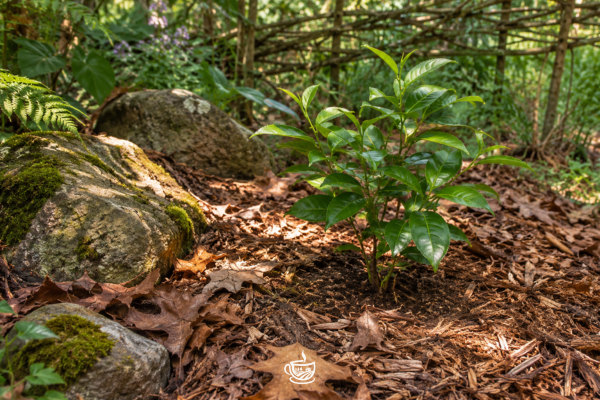
Creating Microclimates with Natural Materials
Learn how to create garden microclimates with natural materials like stone, mulch, shade, and windbreaks—then test what actually changes at plant height.
Why does creating a garden microclimate matter?
A garden microclimate is the small-scale climate right where a plant lives, and even a few feet of difference can change temperature, wind exposure, moisture, and frost risk. By observing those differences and making one careful change at a time, you can help plants thrive without guessing.
The weather app gives one number. The farm gives me several. A seedling tucked near a masonry wall may have a calmer night than its cousin in an open field. A shady corner may keep tender leaves cooler in July but stay damp too long after rain. Those small differences are microclimates, and yes, you can influence some of them using natural materials already on hand.
At Clemson Tea Farm, we pay attention to those differences all the time. Our youngest tea plants benefit from the more sheltered nursery setting near the house, while established field shrubs receive different care entirely. One solution should not be rolled over the whole farm like a giant picnic blanket.
If you’ve also wondered how we manage tender plants through weather swings, you might enjoy How We Protect Tea Plants from Late Frost.
But let us not mistake a stone for a furnace or shade cloth for a frost blanket. Conditions need to be measured, not wished into place.
What to know first
Stone and brick store heat. Sunlit masonry may release warmth near plants after sunset, but how much depends on exposure, wind, and placement.
Leaves and wood chips protect soil. A loose surface layer helps reduce temperature swings, erosion, and evaporation, but it should stay off vulnerable crowns and trunks.
Windbreaks and shade change exposure. Hedges, branch screens, and tree canopies can protect plants from drying wind or scorching afternoon sun. But if you block downhill cold-air drainage, you may create a frost pocket instead of solving one.
At the farm, the nursery near the house creates a gentler environment for young tea plants than our more exposed field rows. Tiny plants and established shrubs should not be managed as though they live in the exact same world.
Nerdy tangent: cold air flows downhill
On a clear, calm night, dense cold air settles into low terrain. If you place a solid barrier across the place where that cold air naturally drains away, you can actually make the cold pocket worse. That is why an airy shelter and a thermometer at leaf height can be more useful than a dramatic wall.
Shade cloth mainly manages light. Row-cover fabric serves a different purpose and still needs correct placement to help.
How to build and test a small microclimate
Map the conditions.
Walk the space in the morning, in the afternoon, and again after rain. Mark south-facing walls, shady areas, exposed ridges, low hollows, and any soggy spots.Measure where plants live.
Place inexpensive min/max thermometers near the foliage, not up on a sunny porch or nailed to a random fence post. Compare two or three spots over several nights.Choose one material for one problem.
Use a modest stone edge for thermal mass, leaves or wood chips for root-zone buffering, or a permeable branch fence to soften wind.Protect airflow and drainage.
Leave paths for water and cold air. Do not pile mulch against stems or trap damp air around plants that are prone to disease.Retest.
Record minimum temperature, soil moisture, leaf condition, and any tradeoff you notice after the change.
Pro tip: The best first project is usually the most exposed young plant—not a full-scale garden rebuild inspired by optimism and a wheelbarrow.
A reflection from the farm
Microclimate design is a lesson in humble stewardship. We can arrange stones, shade, living plants, and mulch, but we cannot command the weather. Observation lets us cooperate with the site we have instead of demanding that every square foot behave the same way.
Observe the heat, wind, frost, and moisture your garden already has. Then use natural materials to make one small, measurable change at a time.
✅ Want to bring more farm-to-cup wellness into your life?
Download the free printable: My Garden Microclimate Map
Use it to sketch sun, shade, wind, soggy spots, low pockets, and plant trouble areas before you change a thing.
Interested in the work behind the cup? Ask about Clemson Tea Farm classes and volunteering. Visits and volunteer activities are arranged in advance.
Wanna Read More?
Wanna Geek Out?
NCAT ATTRA: Season Extension Techniques for Market Gardeners
University of Minnesota Extension: Tips for Climate-Ready Gardening
#ClemsonTeaFarm #TeaLeavesAndLifeLessons #GardenMicroclimates #MicroclimateGardening #NaturalGardening #SustainableGardening #Permaculture #GardenToCup #CamelliaSinensis #SoilHealth #Mulching #FrostProtection #GardenTips #Zone7b #Zone8a
© 2026 Clemson Tea Farm. All rights reserved.
