Reviving Soil with Sheet Mulching: A No-Dig Way to Wake Up Tired Ground
Reviving soil with sheet mulching helps smother weeds, protect microbes, build organic matter, and grow healthier garden-to-cup soil.
Why this matters
Reviving soil with sheet mulching is one of those farm chores that looks almost too simple: cardboard, compost, leaves, mulch, water, patience.
That’s it.
No tiller tantrum. No chemical drama. No standing in the garden aisle while your wallet quietly whimpers.
At Clemson Tea Farm, we care about soil because everything begins there: soil → plant → harvest → brew → taste → ritual. If you want a living way to track soil change, start with our piece on what earthworms tell us about soil health. Worms are tiny farm inspectors, and they do not flatter anybody.
Tired soil does not need to be bullied. It needs to be covered, fed, watered, and given time to breathe again.
What is sheet mulching?
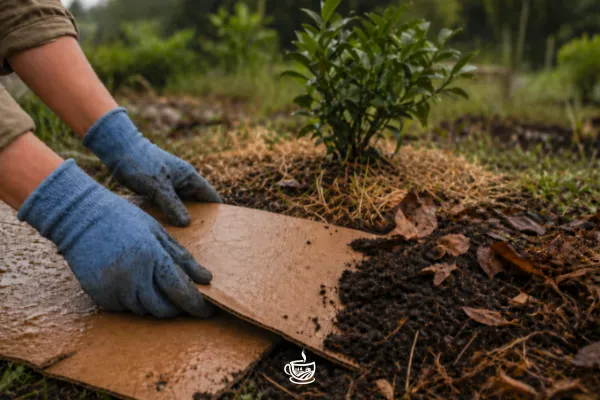
Sheet mulching is a no-dig soil-building method that layers cardboard or paper, compost, and organic mulch over tired ground to block light, calm weeds, protect soil life, hold moisture, and create a slow composting bed right where plants will grow.
Think of it as composting in place. The cardboard blocks sunlight from weed seeds and existing vegetation. Compost feeds the soil surface. Leaves, straw, pine needles, or wood chips protect the whole thing like a practical garden blanket.
The method works because bare soil is needy soil. It dries out faster, crusts after hard rain, invites weeds, and leaves microbes exposed to heat, cold, and erosion. Covered soil stays calmer. And calm soil grows better roots.
For Camellia sinensis, that matters. Tea is a perennial relationship, not a one-season fling. We ask the same plants to grow, rest, flush, and offer leaves year after year. The least we can do is keep their feet comfortable.
How sheet mulching revives soil
Sheet mulching helps in four big ways.
It blocks light.
Weed seeds need sunlight to throw their little green tantrums. Cardboard or paper dims the room.It protects structure.
No digging means fewer broken soil channels. Roots, fungi, and earthworms can keep building their underground neighborhoods.It feeds soil life.
Compost and decomposing mulch become food for microbes, fungi, worms, and the whole quiet crew that makes nutrients available.It holds moisture.
Mulch slows evaporation, softens temperature swings, and helps rain soak instead of run.
How to sheet mulch a tired bed
Choose your spot.
Pick a weedy path, garden edge, pollinator strip, future guild bed, or tired patch near perennial plantings. Keep mulch pulled back from trunks, crowns, and tea stems. We are tucking plants in, not smothering them.Cut vegetation low.
Mow, clip, or stomp weeds down. Leave the green matter unless it has seed heads or invasive roots. That chopped growth becomes part of the meal.Water the soil.
Dry soil under dry cardboard is just a sad sandwich. Water first so soil life has a reason to wake up.Lay plain cardboard.
Use brown cardboard or thick paper. Remove tape, staples, glossy labels, and plastic coating. Overlap seams so weeds do not find a side door.Soak it well.
This is not a dainty sprinkle. Wet the cardboard until it softens and hugs the ground.Add compost.
Spread finished compost, leaf mold, or aged organic matter over the top. This is the bridge between cardboard and living soil.Top with mulch.
Add leaves, straw, pine needles, wood chips, or shredded bark. Water again, then let time and biology do the slow work.
Pro tip: Fall is a beautiful time to sheet mulch. By spring, the layers have softened, the worms have clocked in, and the bed is easier to plant. But anytime your soil needs to be covered is the best time to sheet mulch! Don’t wait til Autumn. Your soil will thank you!
Visual teaching moment: the soil blanket stack
Here is the simple order:
Soil. Cut weeds. Wet cardboard. Compost. Mulch. Living roots.
That last layer matters. Sheet mulch should not end as a pretty pile of wood chips. Follow it with plants: clover, thyme, chamomile, yarrow, daikon, chicory, violets, comfrey, or other site-appropriate companions. Guild-style planting brings different roots, flowers, groundcovers, and soil roles into one living team.
Reflection
Sheet mulching feels like a quiet kind of mercy.
You take ground that looks tired, weedy, and half-forgotten, and instead of ripping it apart, you cover it with care. You feed it. You water it. You wait.
That is not laziness. That is patience wearing work gloves.
A good cup of tea begins long before the kettle sings. It begins underfoot, where roots meet soil, moisture meets mulch, and the farm learns to breathe.
Revive the soil by covering it, feeding it, and disturbing it less—because healthier ground grows stronger plants, better harvests, and a calmer garden-to-cup life.
Want to bring more farm-to-cup wellness into your life?
Download the printable PDF: Soil Life Observation Sheet
Sign up for tea classes, volunteer days, or WWOOF opportunities at Clemson Tea Farm: Get notified through our contact page
Wanna Read More?
What the Earthworm Population Tells Us If You Know How to Look
Plant-Based Fertilizers You Can Grow Without Fertilizing “Right Now”
Wanna Geek Out?
Oregon State University Extension — Sheet Mulching and Lasagna Composting with Cardboard
Clemson Extension HGIC — Soil Conditioning: Establishing a Successful Gardening Foundation
University of Maryland Extension — Manage Weeds Without Chemicals
